
Searching the Ila Court Docket
Ila publishes no case-search form, online calendar, payment vendor, or document viewer. So work from the paper itself. A citation naming Ila goes first to City Hall. A Superior, Magistrate, Probate, or Juvenile notice belongs with that named Madison County office, even when the incident happened inside Ila. Copy the identifier exactly. Then gather the official name, the rough date, and the case type before you call.
- Read the issuing court and copy the citation or case number.
- Call Ila City Hall when the paper names Ila.
- Ask which office keeps the docket and current setting.
- Use a county clerk only after city staff confirm county routing.
- Confirm the date, place, deadline, and response method.
Ila City Hall Starts Searches
The Georgia Municipal Association Ila profile lists the city route: 5211 Danielsville Street, Ila, Georgia 30647-0046, and 706-789-2244. The county's own municipal-contact page backs up that phone number. When you call, ask who keeps the cited matter, whether the setting is still active, and how to request the exact record.
Ila City Hall
5211 Danielsville Street
Ila, GA 30647-0046
706-789-2244
City Hall is a routing point, not an online database. A docket entry, a citation, a signed order, and a certified disposition are four different products. Name the one you need and ask where a written request should go.
Ila Municipal Court Basics
Across Georgia, municipal courts generally hear city ordinance violations and many traffic matters. The Georgia Courts navigation material gives that statewide context. It cannot tell you Ila's current judge, session schedule, fees, or payment rules. The city answers those. And the absence of a public portal does not mean no municipal docket exists. It only means there is no online route. Ask whether the matter stays with an Ila municipal process. Ask whether it follows another local arrangement, or belongs to a county office. Write down the direction and date of the call.
Ila’s Tuesday-Thursday Office Window
The official association profile lists office hours of Tuesday through Thursday, 8:00 a.m. to 4:00 p.m. That short week can squeeze a record search badly. Contact staff early, above all when a citation deadline is near. A voicemail, a mailed request, or a failed web search never changes a court date. The official Ila profile shows the address, phone, and hours in one place.
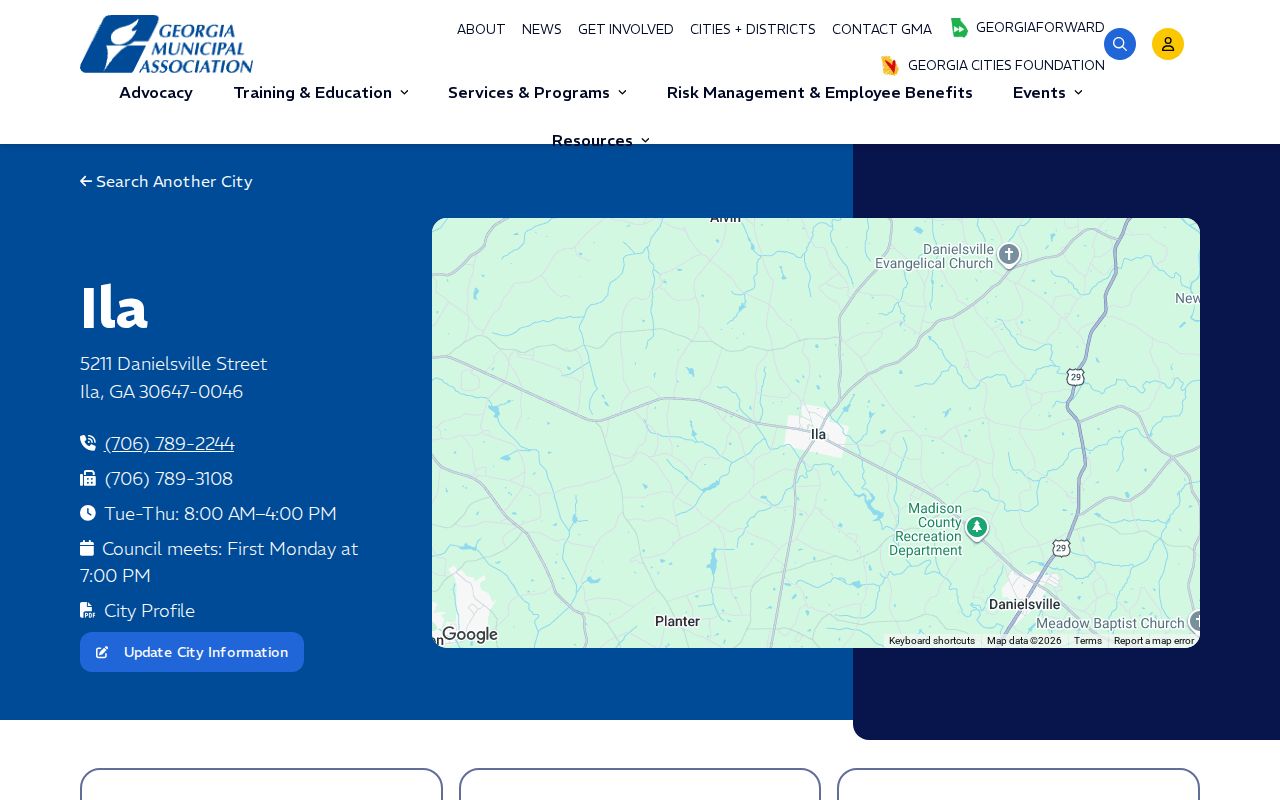
The profile backs the address, telephone, hours, and population used for Ila routing. If staff point you to a different court, get its full name and telephone number rather than guessing from the county.
Court Dates and Settings in Ila
Ila posts no public settings calendar. The date printed on a citation is a starting fact, nothing more. Ask the office whether that date is still active, where court convenes, and whether your time slot is an individual hearing or a docket call. A reset means a new setting, not a dismissal.
| Date | The newest date confirmed by the custodian. |
|---|---|
| Time | The appearance or docket-call time. |
| Location | The place supplied by the responsible court. |
| Identifier | The citation or case number copied exactly. |
| Setting Type | Arraignment, trial, compliance, or another stated event. |
No Ila Portal Is Proof of Limits
Ila has no public docket, calendar, payment page, judge list, or fee page online. Each gap limits what anyone can promise. A missing portal does not show that a case is closed, nonexistent, or free. Nor does it justify borrowing another city's payment vendor. The official county contact listing offers the next routing check. Use it before you assume anything.
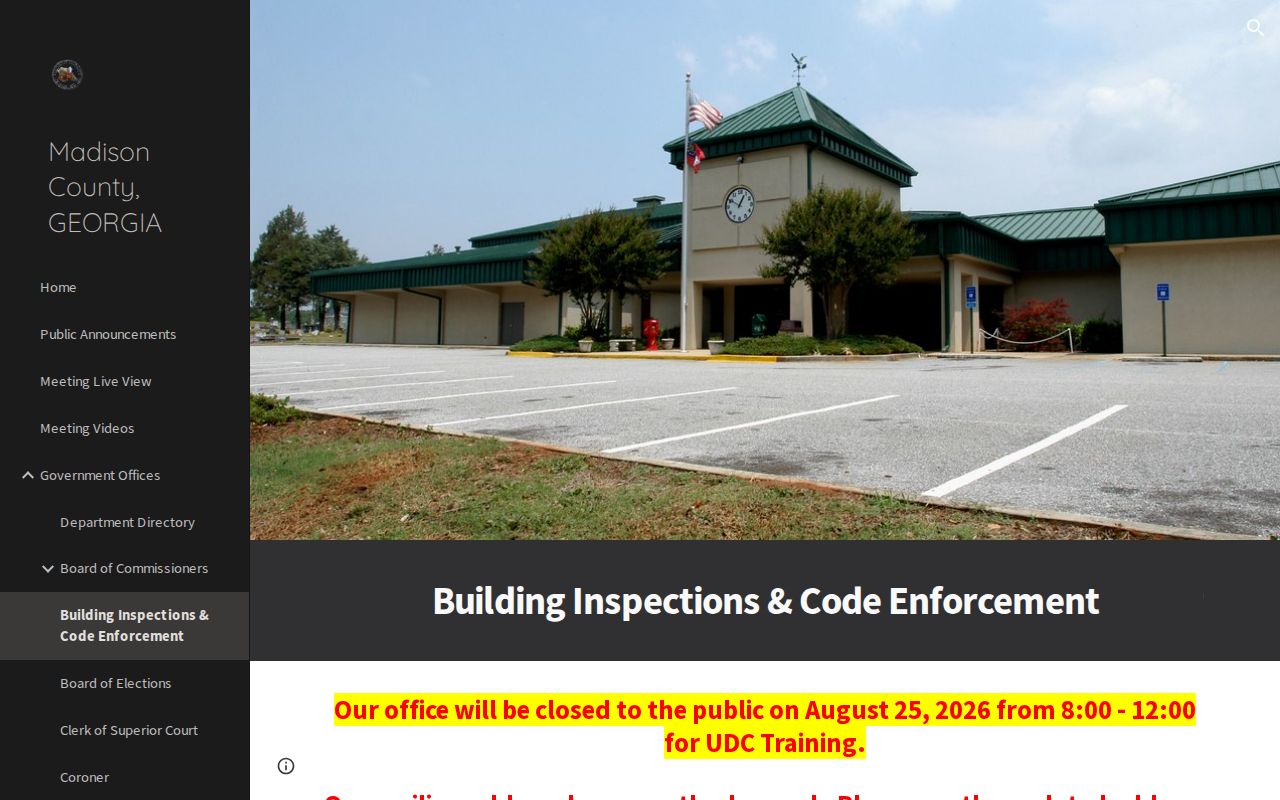
That county listing reinforces the phone-first fallback. A blank county search proves little too. Madison Superior's system sits behind a login boundary, and its calendar PDFs list settings rather than a full municipal register.
Traffic Tickets in Ila
Start with the issuing court. If the citation names Ila, ask the city about the current charge. Also ask about the deadline, the appearance rule, payment methods, and whether any quoted amount includes all costs. Ila publishes no fee schedule or vendor. So assume no amount and no online method until the office says so. County citations can follow a different route. Madison's Magistrate page sends county traffic questions to Probate Court. City traffic stays with the issuing city. Where you live does not pick the docket; the named court does. Once Ila's role is confirmed, see Madison County traffic tickets for countywide routing.
Ila’s Fourth-Place City Context
Ila counted 350 residents in the 2020 place figures, ranking fourth among the five city targets. Population shows scale, not court volume. No annual Ila case count exists, so treat 350 as nothing more than a headcount.
The manifest’s final source image uses a neighboring GMA city profile for sixth-city context.
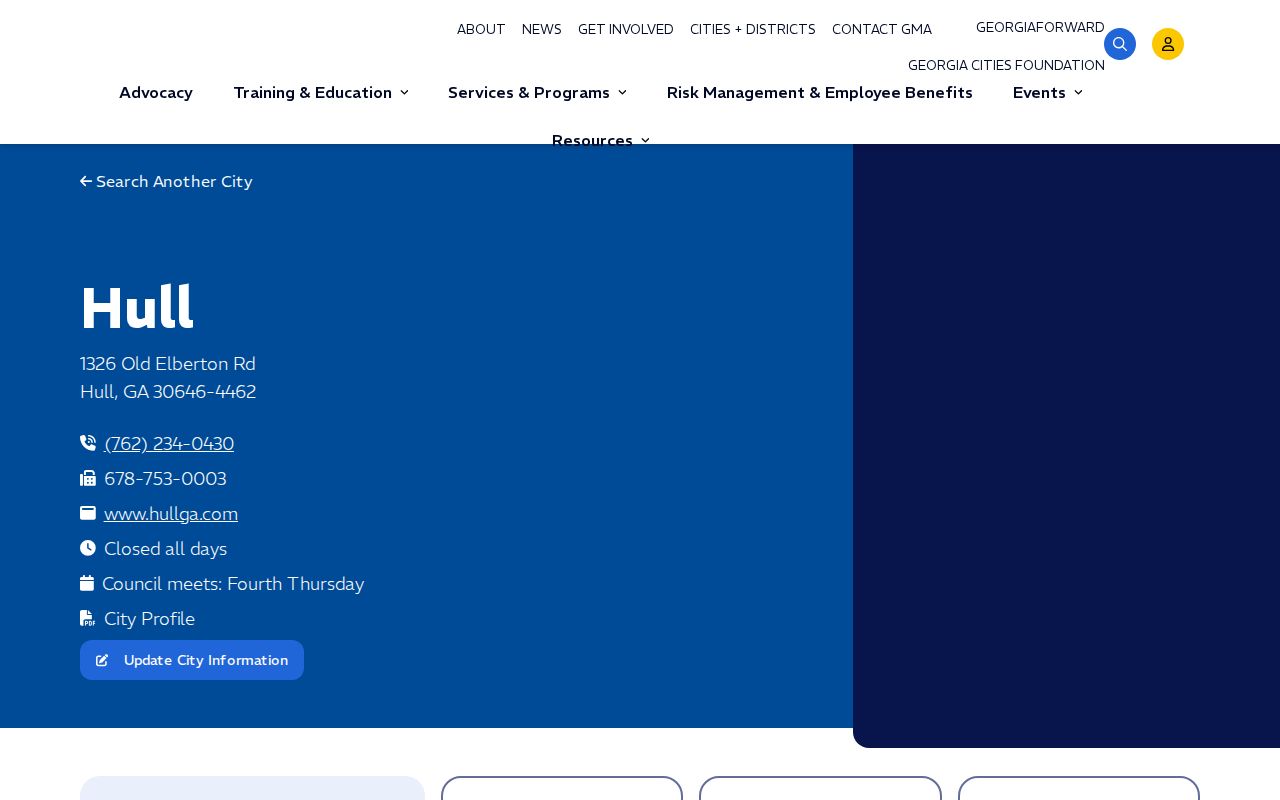
The profile places Ila within a small-city network but adds no missing Ila fee, date, or judge fact.
Where Ila Cases Go
An Ila ordinance or city traffic matter begins locally whenever Ila is the named court. Broader criminal, civil, domestic, probate, juvenile, and magistrate matters belong to the Madison County court with jurisdiction.
Docket flow: Ila municipal route › Madison County courts › Superior Court of Madison County
This split shows levels, not an automatic appeal for every ticket. A case does not become Superior just because you live in Madison County. Once Ila confirms the file is not local, the Madison County court docket identifies the county clerks you need.
When Ila Shows No Match
A blank docket search in Ila is rarely the end of the road. Start with spelling. Match the name exactly as it appears on the newest filing, down to every identifier. Then ask whether Ila actually issued the case. It may have simply hosted it somewhere along the way. The matter may sit with Probate, Magistrate, Juvenile, or Superior Court instead. Even a clean Ila case lookup result can hide a hearing. The official Superior calendar sometimes lists a setting that case management only reveals during a session. Check that calendar before giving up.
- Verify the court on the newest notice.
- Ask Ila whether it holds the matter.
- Get the receiving court’s exact name.
- Request the docket or signed order needed.
- Confirm every deadline with that clerk.
A blank result in the Ila docket search does not mean the case is sealed. The file may sit in another court, fall outside the calendar range you checked, lack a scan, carry a different index spelling, or be restricted from view.
Requesting Ila Docket Copies
When you ask the Ila court clerk for copies, name the exact item you want. A docket is a list of events. A calendar shows a hearing that has been scheduled. A citation lays out an allegation with response terms. An order records a ruling, while a certified copy carries the clerk's authentication. Each type may go through its own request route. Being specific saves a round trip.
Give the clerk the case name and the case number or other identifier. Add an approximate date, the court, and the document type. No copy fee, certification charge, turnaround time, court mailing address, or identification rule for Ila appears anywhere official. Ask the clerk before you send money or personal data.
- Docket
- The event record for a case.
- Setting
- A scheduled event that may be reset.
- Disposition
- The outcome shown by the official record.
- Certified copy
- A clerk-authenticated reproduction.
Ila Court Record Access Rules
Public access to Ila court records has limits. City records should be requested from the city custodian. County files belong with their own clerks rather than one shared office. Judges can restrict access. Identifiers can be redacted. Juvenile Court runs through a separate channel entirely. A missing docket result never tells you what a restricted file contains.
Key Rules:
Uniform Superior Court Rule 21 supplies the Superior record access and sealing framework.
Georgia Open Records Act guidance explains general response and cost rules while noting court procedures differ.
O.C.G.A. § 35-3-37 guidance distinguishes history restriction from deletion of a court docket.
Start with the court name, not the place where something happened. Madison County splits its records among clerks for Superior, Probate, and Magistrate matters. City business stays with municipal clerks. That is why a docket search opened at the wrong office can come up empty even when a real case exists. If Ila sends you elsewhere, ask staff to spell out the receiving court. Then repeat your case number to that clerk exactly, letter by letter, digit by digit, suffix included. This one habit keeps a city lookup from being mistaken for a county case inquiry. Jurisdiction simply means a court's legal power over a type of case. State descriptions sketch the usual municipal role. But your citation and the city's current procedure tell you the actual route. Ila publishes no judge list, local rules, or session schedule. Those details cannot be borrowed from Comer, Danielsville, or any other nearby city. Each municipality runs its own staff, calendar, and payment methods. Keep a call log: day, time, number, and who answered. If nobody picks up, try again. Call during Ila's Tuesday-through-Thursday window. One failed off-hours call never means the office closed. Anyone facing an imminent hearing should follow the newest official notice. Keep contacting the court. Only that office can confirm a moved setting, a required appearance, or a received document. A voicemail alone is not confirmation of any court action.
A calendar is just a schedule. A docket can carry a much longer event history. Even a county PDF can leave out earlier filings and later changes. So compare every date against your newest notice. Ask whether a continuance was granted. Requesting one does not mean approval. Ila's public profile names no courtroom or judge. Those fields must come from the responsible office, not an assumed county location. When a date shifts, write down the new date, time, location, setting type, and the source that confirmed each field. Online, be careful too. Georgia E-Access is a provider directory, not a statewide public trial-court search. PeachCourt is mandatory for Madison Superior e-filing. It works through account access. But neither fact proves coverage of an Ila municipal ticket. Use those routes only after you know the court. A login screen or an empty query should prompt a call to the clerk. It is not a reason for repeated password guesses. It is not proof the case vanished. The Madison Superior calendar is a better public setting check for confirmed Superior matters. Still, it is not a full city or county docket register. Superior calendar PDFs can help you recover a case number. Entries show the court, judge, date, time, identifier, and setting. They remain snapshots. A matter may sit outside the posted date range, move to a new setting, or belong to another court class entirely. Tell staff what you need: to confirm a hearing, obtain a filing, or prove an outcome. A calendar label such as motion or status is a request or a checkpoint. It is not a final result or signed disposition.
Paying an Ila ticket and contesting it are different choices. Ask whether the charge permits payment without appearing. Also ask what counts as a timely response. Never mail cash or use a vendor Ila has not confirmed. Keep your citation, receipt, and office instructions. When a notice conflicts with a verbal answer, ask the clerk which one controls. Do that before you act. Ila publishes no fee table. So request the full current amount and the accepted method. Do not trust an old figure or another city's page. This local variety is normal. Madison County has six incorporated municipalities, and their public access routes are not uniform. Comer publishes a ticket-payment route. Danielsville posts charter and ordinance material. Ila, though, requires direct confirmation. A tool that works for one city cannot become the Ila docket. Sharing a county is not enough. Read the issuing court first and skip generic vendor searches. Ila's population may sit in local context. But it proves nothing about filing volume, wait times, or how often the court meets. For county matters, the divisions are distinct. Superior Court hears felonies, broad civil cases, domestic relations, and lower-court appeals assigned by law. Magistrate Court takes limited civil claims, dispossessory cases, warrants, and listed lower-level matters. Probate Court keeps estate, guardianship, license, and other probate records. The county routes county traffic questions there. Juvenile Court stays separate. The court printed on your current paper remains the most useful starting fact.
If an Ila matter moved to Superior Court, the Clerk of Superior Court holds the county record. The Superior Court publishes no certified-copy price, turnaround time, identification rule, or mailing instructions. Ask for current terms. The Probate site also warns that most records before 2017 are not scanned. They can still be requested. A missing image does not always mean the official record is absent. Ask whether your item exists only on paper. Also ask whether a plain copy or a clerk-certified copy suits your purpose. Georgia Attorney General guidance adds a timing rule. An agency that cannot produce a covered public record within three business days should give you an expected production date, an estimated cost, and the legal basis for withholding. The same guidance cautions that judicial records can follow court procedures instead. Identify the Ila custodian before filing any request. For a county case, follow that court clerk's process rather than treating a general open-records request as a substitute. Narrow your request by record type, identifier, approximate date, and court. That helps staff locate the right file and explain any lawful restriction. This discipline turns a frustrating docket search into a series of answerable questions. It also protects the legal meaning of whatever the court records finally show.