
Searching the Comer Court Docket
Comer offers a way to pay a municipal ticket online. It posts no public case-search form, no calendar, and no document viewer. So the citation itself is the first clue. A city ticket routes to Comer Municipal Court. A Superior, Magistrate, Probate, or Juvenile matter belongs with the named Madison County office.
- Copy the issuing court, citation number, and defendant name.
- Contact Comer Municipal Court for a city ticket.
- Ask for the current charge, status, setting, and response deadline.
- Use the county lookup only if the paper identifies a county court.
- Confirm the setting before appearing or paying.
The Comer Municipal Ticket Portal
The official Comer website is the source for the city's authorized municipal-court payment route.

The city source helps keep court business separate from unrelated municipal payments.
The official city payment page names Comer Municipal Court and links JusticeONE. Treat it as an authorized doorway to pay, not as a complete docket database. Its current fields and coverage are not guaranteed. Match what you see against the citation. Then ask the clerk for filing history or disposition records.
A careful portal check takes three steps. First, reach the page from the City of Comer site. Avoid a random search result. Second, match the issuing court and citation number before typing anything in. Third, save the confirmation the system gives you after payment. That confirmation proves information was submitted. It does not prove the municipal docket was updated. It also does not prove that every required appearance has been excused.
An empty result does not mean the citation vanished. A misspelled name, a recent filing, a transposed number, or the wrong court can all explain it. Call the Comer municipal-court contact with the paper citation in front of you. The clerk can confirm the matter exists and tell you which identifier the court uses.
The Comer Municipal Court
Comer's official staff material identifies the local municipal-court contact.
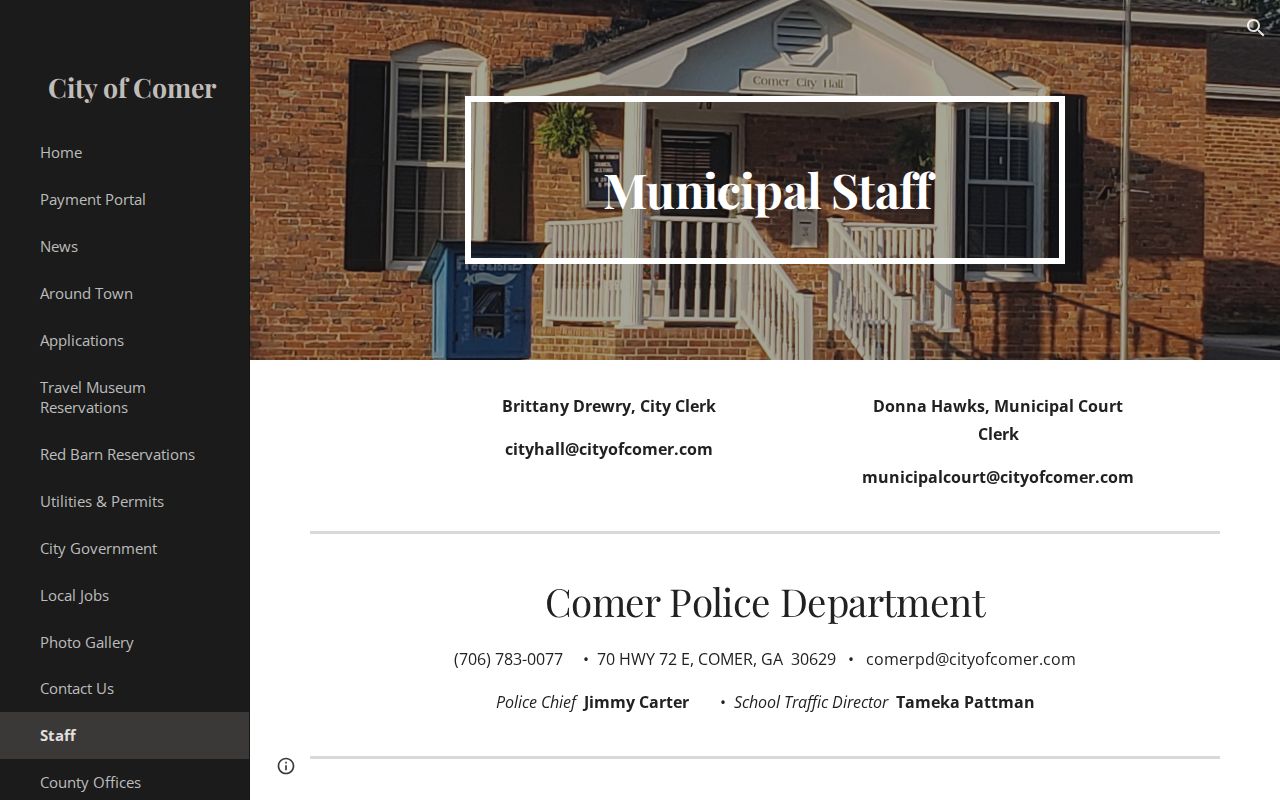
This city source supports sending case-status and record questions to the municipal clerk.
Comer Municipal Court handles city traffic and ordinance matters within its limited jurisdiction. City staff material names a municipal-court clerk, so residents have a local record contact. Do not confuse it with the county courts that also serve Comer residents. The issuing agency, the court name, and the charge together decide where a docket lives.
Think of the municipal docket as an event record. It may list the defendant and the alleged violation. It may also show a filing or citation number, the next scheduled event, and a status. It is not automatically a full copy of the court file. Supporting papers, payment receipts, signed orders, or a final disposition may require a separate request. Ask for the exact document you need instead of requesting everything tied to a name.
Jurisdiction follows the city matter, not a Comer mailing address. A resident can have a county case that never touches a Comer docket. A nonresident can still owe Comer Municipal Court a citation. Read the issuing-court line first. That single habit prevents the most common routing error. It also keeps your inquiry at city altitude.
Comer Court Contact Routes
City Hall sits at 70 Highway 72 East, Comer, Georgia 30629, and the phone is 706-783-4552, weekdays 8:00 a.m. to 5:00 p.m. For municipal-court questions specifically, the payment material lists 678-359-2783. Keep the citation in hand and ask three things: which court owns it, whether appearance is mandatory, and whether the date still stands.
Comer Court Dates and Settings
Comer posts no official public calendar. The clerk is the reliable way to confirm any court date. Read a setting as several separate fields, since a reset can leave an old date sitting on the original citation.
| Date | The current day after any reset. |
|---|---|
| Time | The appearance or docket-call time. |
| Location | The city location stated by the court. |
| Identifier | The citation or municipal case number. |
| Type | Arraignment, trial, compliance, or another event. |
Comer Money-Order Mail Route
The official material allows a money order mailed to Comer Municipal Court, P.O. Box 65, Comer, GA 30629. Verify the amount, the deadline, the payee, and the citation reference the court requires before the envelope goes out. Keep copies and delivery proof for yourself. A letter mailed near a setting does not guarantee timely posting. Confirm receipt with the court.
Comer Traffic Tickets
Search with the citation number and defendant name. Then check the charge and date against the paper ticket. Utility bills and court payments are separate city functions. Paying and contesting are different choices, so learn the deadline and any appearance rule first. The Madison County traffic ticket page gives countywide routing, though it does not replace Comer's own instructions.
Comer Camera Citation Questions
Comer's payment material treats camera citations separately and gives them a different telephone route. A camera notice may carry its own identifier or process, unlike a regular traffic ticket. Whether these notices appear in a public Comer docket is not established. Ask whether the notice is a court case. Ask whether a hearing is available, and how status gets verified.
Where Comer Cases End Up
City ordinance and traffic cases start locally. County criminal, civil, probate, juvenile, and magistrate matters go to their proper county courts instead, even when the events happened inside Comer.
Docket flow: Comer Municipal Court › Madison County Courts › Superior Court of Madison County
Treat this as a routing aid, not a promise that every ticket advances. When a city search comes up empty, the Madison County court docket page explains the county offices that may hold the case.
Comer Docket Context
The Georgia Municipal Association profile supplies independent official context for the city.
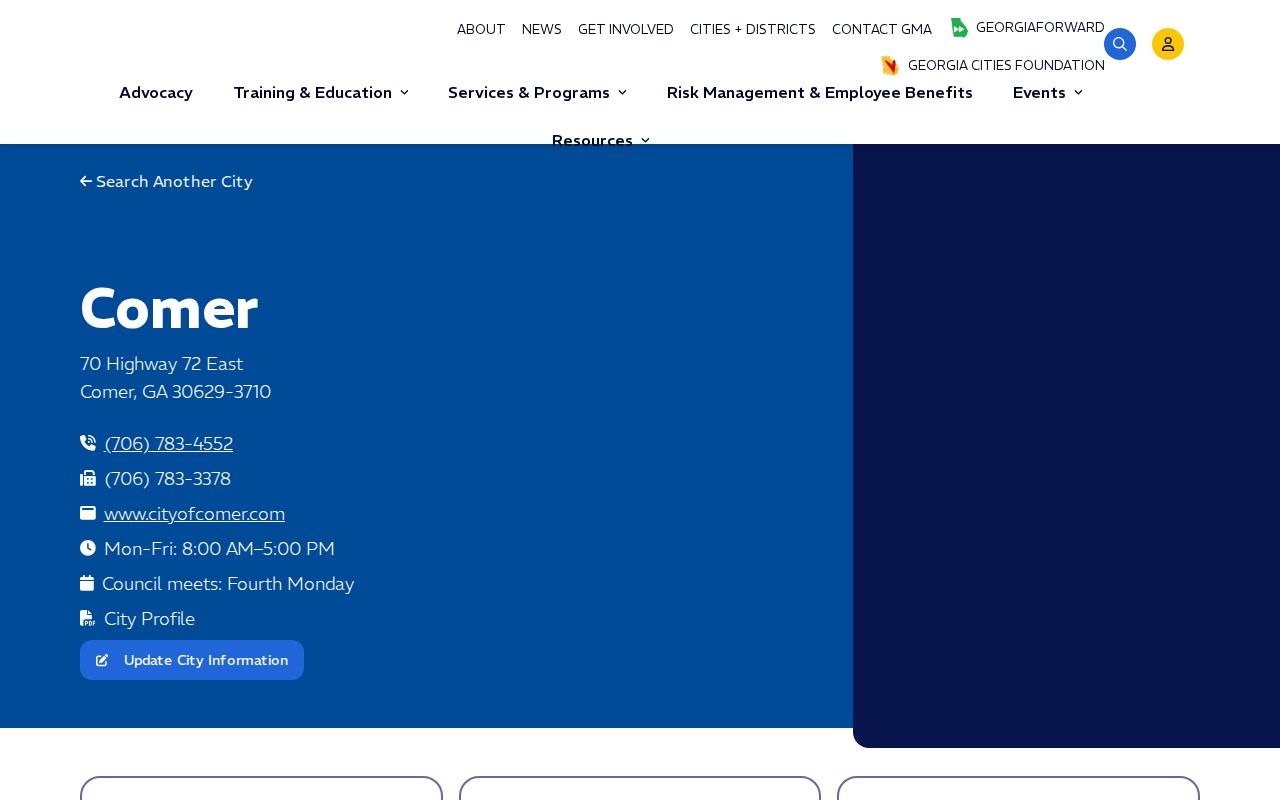
Comer sits inside Madison County as an incorporated municipality. That status shapes where its court records live. The 2020 Census counted 1,512 residents, making it the largest incorporated city in Madison County. Size alone tells you nothing about caseload, though. The city publishes no annual case count. Population cannot be stretched into an estimate of filings.
Online visibility has limits here too. Comer offers a payment route, which helps with access. But a payment tool is not a full archive of municipal entries. The county's biggest city holds no authority over Madison County dockets. Those dockets rest with the county's own clerks. What appears online reflects what the city chooses to publish, nothing more. A missing public calendar is a portal gap. It is not proof that the court has nothing scheduled.
For older matters, contact the clerk. Give an approximate year and the name as it appeared at the time. Historical entries may be filed differently than current citations. A specific request for a docket sheet or a disposition beats a vague surname search every time.
Requesting a Comer Municipal Record
Know exactly what you want before you call. A docket entry, a citation, a disposition, an order, and a certified copy are different products. Naming one helps staff find the file. It also gets copy costs quoted. Give the name, any identifier, an approximate date, and the record type. If the paper must prove an outcome in court, ask whether certification is required.
Write down the exact spelling on the citation, suffix included. Then say whether you need the current setting, the chronological docket, or a final order. Each answers a different question. A setting confirmation tells you when and where to appear. The docket traces what the court recorded. A disposition states the result the court entered. Picking one product up front saves copying fees and makes the reply easier to read.
Keep whatever response you receive alongside your request. If staff say the file sits elsewhere, note the court name and contact they give you. Do not launch a new broad search. A handoff to a Madison County office should follow the case information. It should not rest simply on the fact that Comer lies within the county. For a fresh ticket, allow normal entry time. Still, never let that patience override a deadline printed on the citation.
Public Access to Comer Court Records
Comer's official ordinances and codes page is a source for the local rules framework.
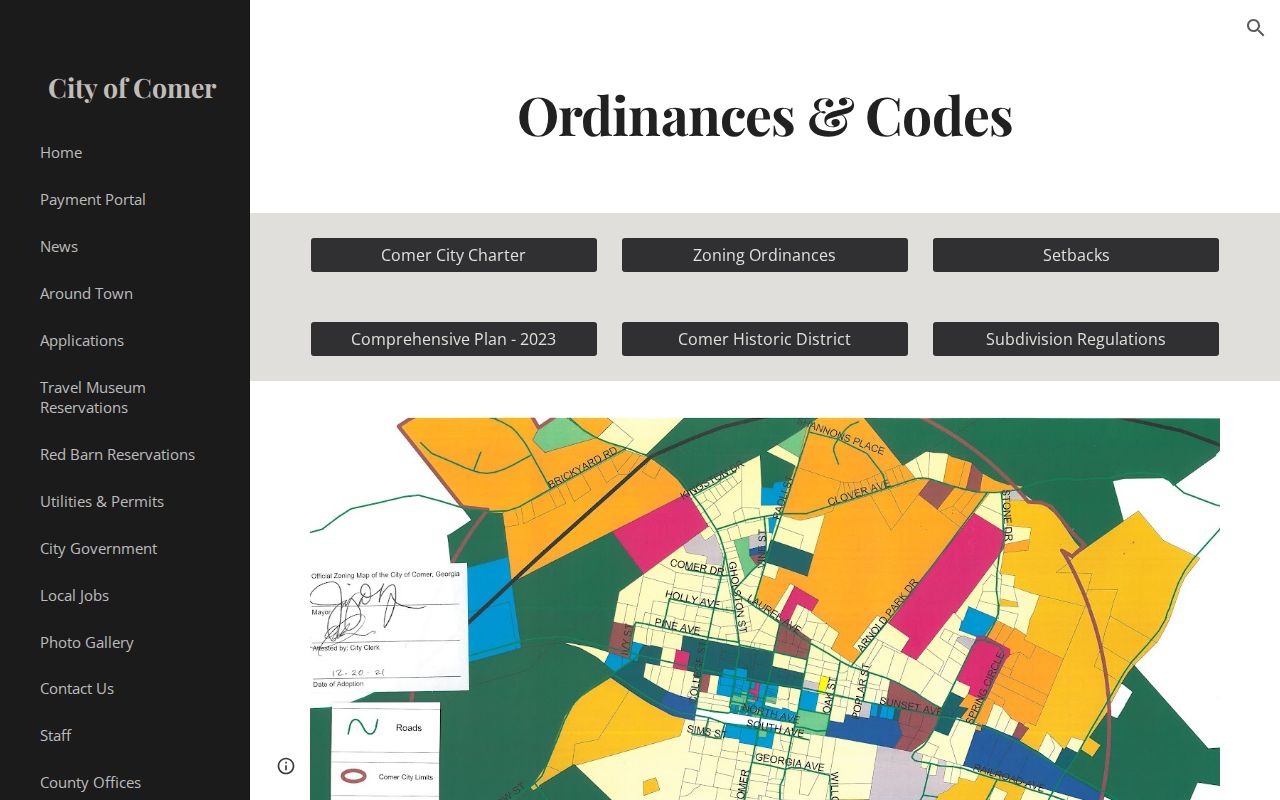
The code source tells you what local law says. The court record tells you what happened in one case. Both matter, but they never substitute for each other.
Georgia access rules keep some things private. Sealed material, protected identifiers, and restricted records may be withheld or redacted. Request a municipal file from Comer itself; request a county file from the clerk that holds it. Identify the record by citation or case number when you can, describe the document, and give an approximate date range. That detail lets the office find the right file instead of sorting through a broad name search.
An ordinance states the municipal rule. A docket shows events in a particular prosecution. A payment page completes a transaction. None of these proves a final outcome the way a certified disposition does. Before ordering, ask the clerk which record reflects the final action and what the copy or certification charge runs.
Key rules:
Georgia Open Records Act provides a general request route subject to exemptions.
Georgia court rules also govern judicial access, sealing, and redaction.
Verify every Comer record with the clerk maintaining it.
Redaction does not void the public portion of a record. It simply means access rules shield certain data. The rest may be released where appropriate. When an entry confuses you, ask staff to explain the record type rather than for legal advice. For its own docket, the Comer office that created the record remains the authoritative source.